
The Hotels and Rooms Louise Leaves Behind
Maigret and the Dead GirlThis flow traces Louise’s sequence of precarious accommodations and how each rented room records a different stage of her instability.
increasing Bearing strength in each event
 decreasing
Bearing strength in each eventdecreasingA Room with Jeanine
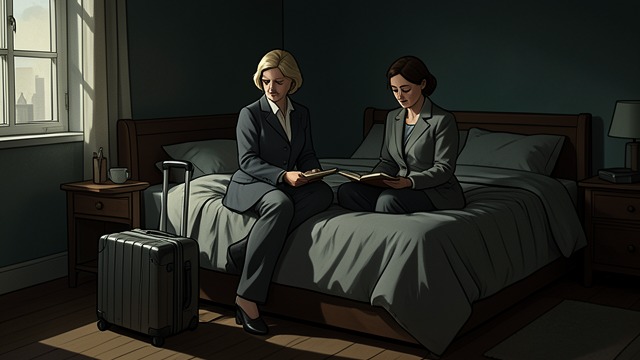
A Room with Jeanine
A Shared Start
Louise meets Jeanine Armenieu on a train and eventually shares an apartment with her on Rue de Ponthieu. Jeanine holds the lease, while Louise depends on their fragile friendship for shelter.
Different Ways of Adapting
Jeanine learns Paris quickly and finds work; Louise has trouble keeping jobs and remains socially withdrawn. The shared rooms provide security, but also expose the widening gap between their temperaments and prospects.
A Room in a Cheap Hotel
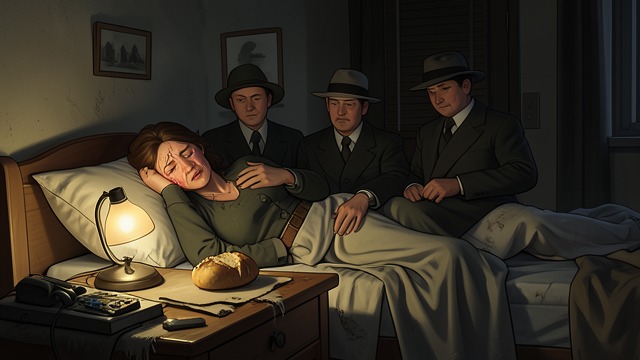
A Room in a Cheap Hotel
The Search for Work
After losing the apartment, Louise moves through temporary lodging and tries to support herself. At one point she stays in a low-cost hotel while working in a shop on Boulevard Magenta.
Illness Alone
She catches a chest cold and spends a week in bed without anyone to care for her. The episode shows how poverty turns ordinary illness into another private trial, with no reliable friend or family member nearby.
The Rue d’Aboukir Garret
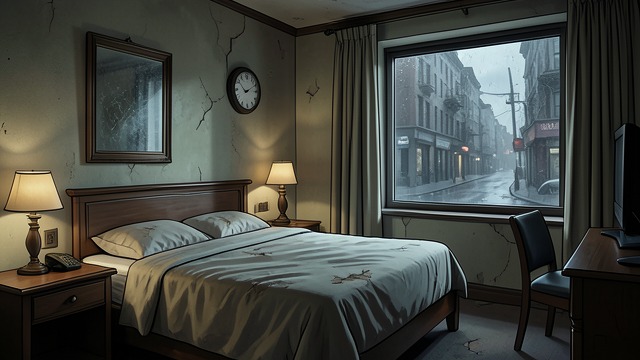
The Rue d’Aboukir Garret
A Temporary Address
A hotel manager tells police that Louise spent four months in a shabby establishment on Rue d’Aboukir. Her work on Boulevard Magenta and her illness place her in a sequence of unstable rooms rather than a single home.
Evidence of Decline
She leaves the hotel about two months before her murder and moves to Rue de Clichy. The addresses map a gradual deterioration: each room offers a roof, but none provides security or lasting connection.
Madame Crêmieux’s Flat
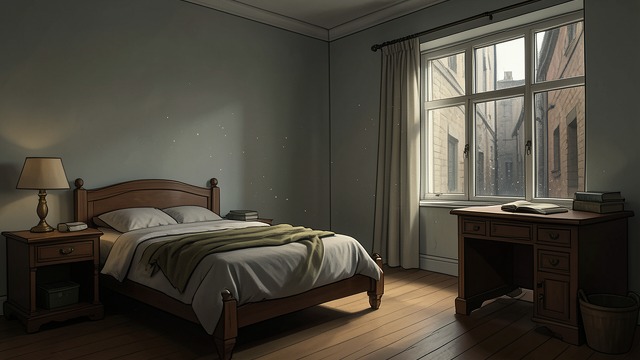
Madame Crêmieux’s Flat
A Large Room for Rent
Louise takes a room from Madame Crêmieux, an older widow who wants income and company. The arrangement gives Louise more space than a boardinghouse but requires her to share the landlady’s routines and expectations.
The Final Eviction
Louise keeps to herself, falls behind on rent, and is told to leave shortly before the murder. The room’s abandoned belongings reveal the narrowness of her life just as its loss pushes her toward Jeanine’s wedding.
A Suitcase without a Home
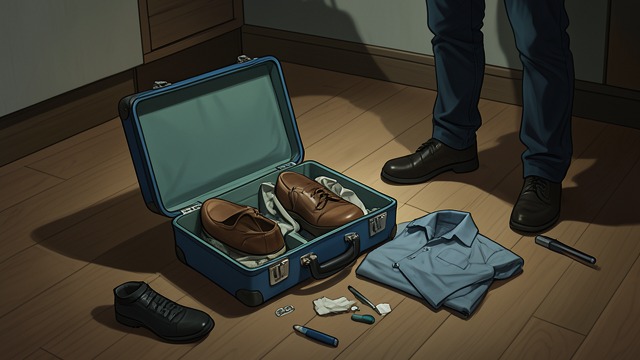
A Suitcase without a Home
All She Carries
When Louise leaves the apartment she shares with Jeanine, she carries only a small blue suitcase. The concierge offers her a few more days, but Louise declines and admits she does not know where she is going.
A Portable Existence
The suitcase recurs as a sign of movement without arrival. By the time police find it empty in her last room, it stands for a life repeatedly packed up but never securely settled.
Soon after Louise arrives in Paris
After Louise and Jeanine separate
The four months before Rue de Clichy
From around New Year until three days before the murder
On the day Louise leaves Rue de Ponthieu
